

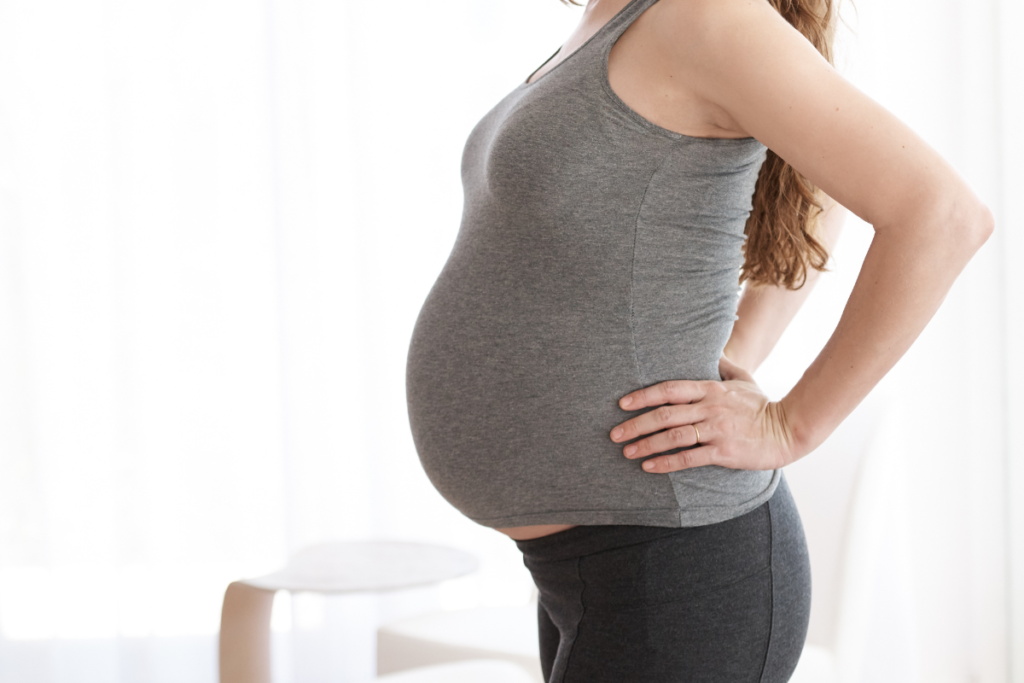
Sciatica can be a pain in the butt, literally, but pregnancy and postnatal osteopath Sarah Boughtwood (sarahboughtwoodosteopath.co.nz) is here to help!
Pregnancy is such a beautiful time, but some expectant mums can really struggle with various types of aches and pains. Sciatica is a term often misused to describe a lot of types of pain felt in the lower back and buttocks region. True sciatica is irritation of the sciatic nerve, pressing from the lower back when it originates, through the buttock region and into the back of the thigh and lower leg. The symptoms associated with sciatica include pins and needles, numbness or weakness in the back of the thigh to the lower leg and foot and sharp, shooting pain.
CAUSES OF SCIATICA IN PREGNANCY
Fluid retention compressing the sciatic nerve:
During the course of pregnancy – and especially in the third trimester – fluid retention is very common, but this excess fluid can cause compression of the sciatic nerve.
Expanding uterus with the growing baby:
As the sciatic nerve originates in the lower back, the growing uterus with baby can compress the nerve.
Postural changes:
The combination of increased breast size and growing belly pulls your centre of gravity forward, increasing the curve of your lower back (Lordosis), thus changing the pressure on the sciatic nerve root emerging from the spine.
Baby’s head:
Depending on the position of the baby, their head may be putting increased pressure on the sciatic nerve.
WAYS TO SELF-RELIEVE SCIATICA
Gentle stretching of your gluteal and piriformis muscles:
Try sitting with one knee bent and the ankle resting over the opposite leg, then lean forward. You should feel a pull in the buttocks region of the leg that is bent. Hold for 30-60 seconds and then repeat.
Keep moving:
Try to avoid sitting or standing still for too long. Light, gentle movement helps flush any inflammation away, increases blood flow, and helps muscles contracting, aiding the lymphatic system.
Stretch your hamstrings:
Sitting on the ground, have your legs straight out in front of you and gently lean forward to touch your toes. If your bump gets in the way, split your legs in a V position and try touching one foot at a time. You should feel a gentle pull in the back of your thigh and knee. Hold for 30-60 seconds and then repeat.
Engage your core/abdominals and pelvic floor:
By having a strong abdominal and pelvic floor muscles, you are supporting your lower back and reducing strain on their joints and muscles. This in turn will help the sciatic nerve and help reduce any irritation of the nerve.
Take walks:
Keep relatively fit in pregnancy to help avoid sciatica and other pregnancy-associated aches and pains by having good muscle support and strength from exercise. These may include swimming, yoga, pilates, weight training, walking, and so on. Consult your health professional about which types of exercise are suitable for you.
Applying a hot water bottle or warm wheat bag to the area may help with discomfort!
HOW OSTEOPATHIC TREATMENT CAN HELP
Osteopathic treatment is a safe and gentle form of hands-on physical therapy that is safe at any stage of pregnancy.
Sciatica in pregnancy is a common complaint and is a combination of osteopathic treatment, take-home, stretches and lifestyle changes.
Osteopathic treatment is always to the whole body, not just where a patient is sore. This gets the whole body working well and able to adapt to the physical changes (posture, blood volume, weight changes etc) that come with pregnancy.
Treatment will help improve joint mobility and reduce muscle tension, correct pelvic alignment (perfect ahead of birth), improve blood flow and lymphatic circulation.
Tailored advice is given to patients depending on what their body needs, but may include stretches, exercises, compression stockings, and frequent breaks at work.
Share this page





BUMP&baby
BUMP & baby is New Zealand’s only magazine for pregnancy and early babyhood. Our team of mums and mums-to-be understand what it’s like to be pregnant in this connected age, and that’s why BUMP & Baby online is geared toward what pregnant women and new mums really want to know.
Other articles of interest

Things You Can’t Add to a Baby Registry | The Emotional Prep for Motherhood
When you’re pregnant, the world becomes a chorus of product recommendations. The best pram. The safest car […]

Finding your calm
It’s estimated that one in five pregnant and postpartum women experience some form of anxiety. Here are