
After your baby is born, there’s one more incredible organ that deserves a bit of recognition; the placenta. You’ve grown it, it’s done its job, and then… it usually ends up in the bin.
But some researchers are saying we might want to rethink that.
A group of physician-scientists recently published an article in Trends in Molecular Medicine arguing that throwing away placentas is actually costing us something important: knowledge. They believe the placenta holds vital clues about not just how your pregnancy went, but also about your long-term health and your baby’s future wellbeing.
What makes the placenta so special?
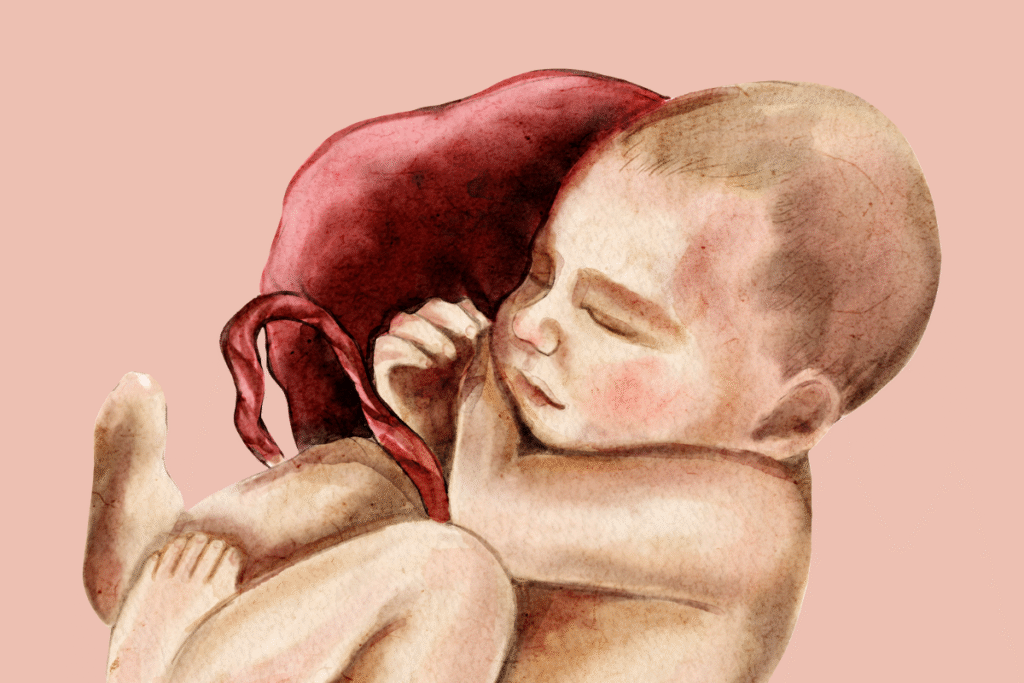
The placenta is your baby’s first home and life-support system. It’s the first organ to form during pregnancy and it’s full of information, quite literally. It’s genetically matched to your baby and is responsible for delivering nutrients, hormones, oxygen, and even immunity-boosting antibodies. After birth, though, unless you ask for it, it’s often treated as medical waste and incinerated. But it doesn’t have to be.
A quiet record keeper
Some hospitals do send placentas off for further testing, especially when something unexpected happens during pregnancy or birth. But the new research suggests we should be doing this more often. Examining the placenta can help spot certain conditions early, like infections in newborns, signs of preeclampsia, or even early warning markers for future issues like cardiovascular disease in the mother. In other words, it’s not just a “what went wrong” report, it can also be a “what to watch for next time” or “how to look after yourself going forward” kind of tool.
What we might be missing
One example the researchers highlighted is something called decidual arteriopathy, which is a type of lesion in the placenta. It may be a red flag for potential heart issues later in life for the mother. Other signs might help explain past complications, or even suggest whether they’re likely to happen again, like if there’s a risk of stillbirth or preeclampsia in future pregnancies. This kind of information could be immensely helpful. Not just for doctors and midwives looking after you, but for researchers too. There’s growing interest in creating mini placentas (called organoids) in labs to learn more about how this organ works, how it malfunctions, and how we might prevent certain pregnancy complications in the future.
So, what happens next?
Of course, adding placental examination to every birth isn’t something that can happen overnight. It requires resources, funding, and a shift in how we see the placenta, not as something to dispose of, but something to learn from.
Still, this research is a reminder of how amazing our bodies are, and how much we still have to learn about them. So while you’re busy falling in love with your newborn, know that the incredible organ that helped grow them might still have something more to give.
Share this page


)


BUMP&baby
BUMP & baby is New Zealand’s only magazine for pregnancy and early babyhood. Our team of mums and mums-to-be understand what it’s like to be pregnant in this connected age, and that’s why BUMP & Baby online is geared toward what pregnant women and new mums really want to know.
Other articles of interest

Let’s hear it for newborn testing | Early Detection and Support
Thanks to a nationwide newborn hearing screening programme, any hearing difficulties your newborn may have are now […]

Can I take antidepressants during pregnancy?
Mental health conditions are common among pregnant and postpartum women, but is it okay to take medication